Introduction
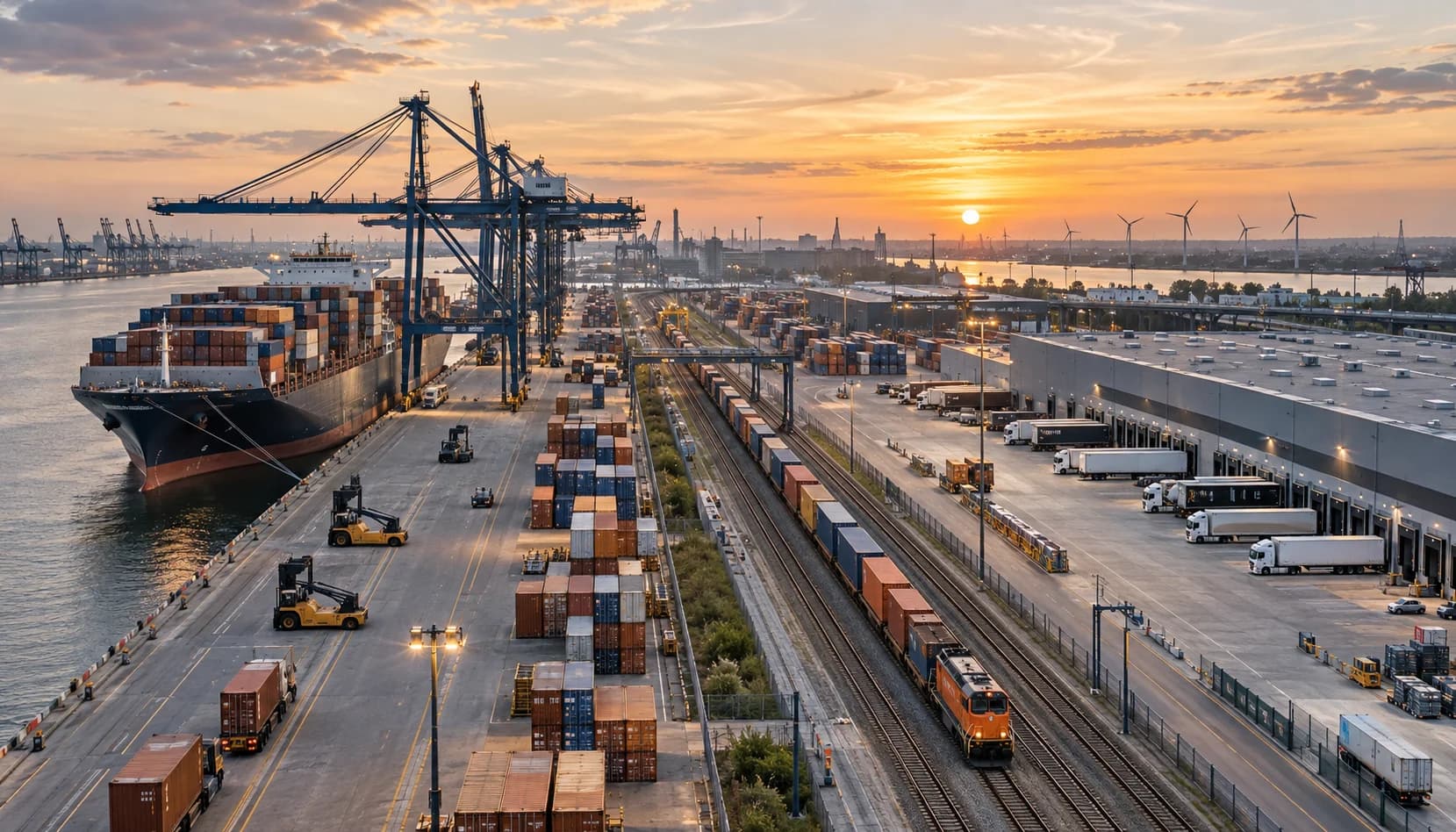
Global trade is entering a new phase. Over the next five years, international commerce will be shaped by rapid technological advancements, evolving trade policies, shifting manufacturing hubs and growing expectations around supply chain resilience. For businesses engaged in imports and exports, these changes will influence everything from sourcing decisions and customs clearance to freight costs and delivery timelines.
As we look towards 2031, the future of global trade is unlikely to be defined by a single dominant trend. Instead, businesses will need to navigate a more connected, digitally enabled and increasingly complex trading environment.
1. Supply Chains Will Become More Diversified and Regional
The next five years will see businesses rethink how and where they source, manufacture and distribute goods. Geopolitical tensions, trade restrictions and disruptions to major shipping routes are encouraging companies to reduce excessive dependence on a single country or supplier.
This does not necessarily mean the end of globalisation. According to the World Trade Organization (WTO), global value chains continue to account for a substantial share of international trade, even as production networks adapt to changing risks.
Businesses are likely to adopt a combination of nearshoring, regional sourcing and China-plus-one strategies, while maintaining access to established international markets.
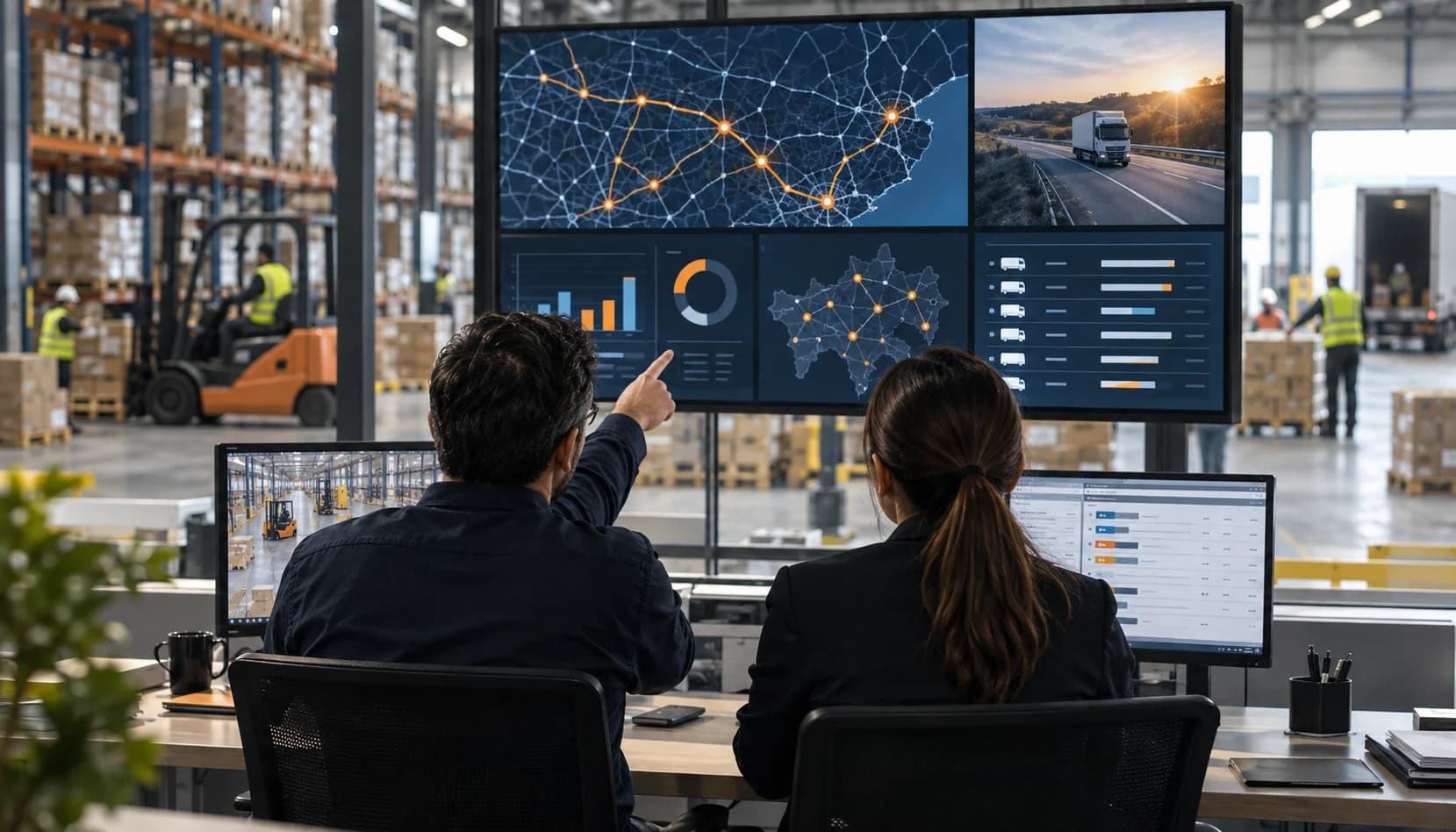
For the logistics industry, this means managing more diverse shipping routes, coordinating multiple suppliers and helping businesses navigate different customs regulations across markets.
Digital Customs and AI Become the Standard
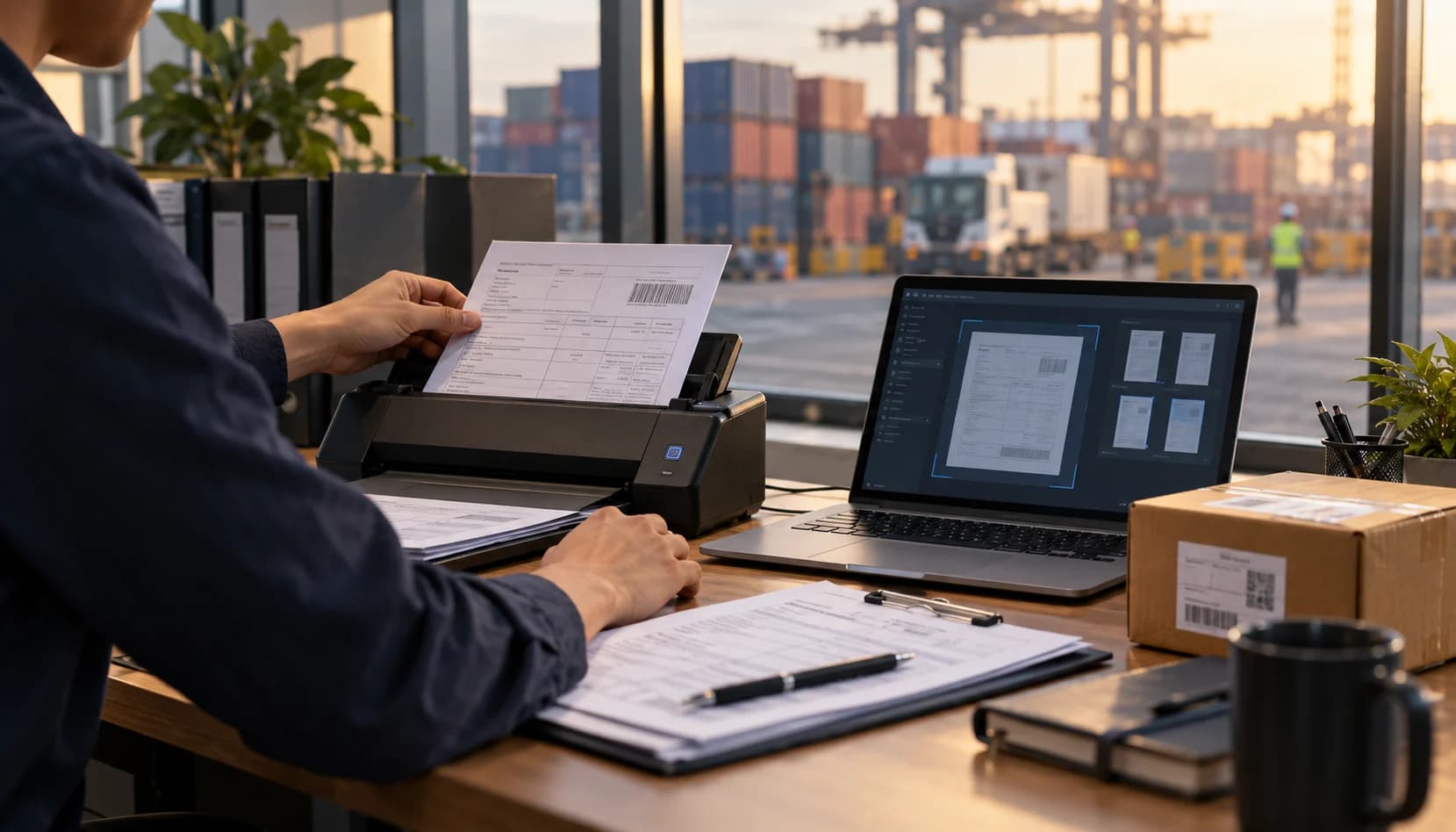
Customs administrations worldwide are moving toward advance data submission, automated risk scoring, and paperless processing. The EU's ICS2 and India's risk-based clearance systems are early examples. Within five years, real-time data sharing between traders, carriers, and authorities is likely to be the norm.
Accuracy of HS codes, valuation, and origin declarations will carry greater weight, since automated systems detect inconsistencies faster than manual checks ever could. Related trends are explored in the Babaji Shivram article on AI in customs and logistics.
3. Trade Compliance Will Become More Complex
As global trade regulations evolve, compliance will become an integral part of international business strategy.
Importers and exporters will need to manage changing tariff structures, product classification requirements, rules of origin, carbon reporting obligations and country-specific documentation standards.
Environmental regulations, including the European Union's Carbon Border Adjustment Mechanism (CBAM), will also influence how businesses calculate and report emissions associated with imported goods.
In this environment, customs clearance will involve more than submitting documents and paying duties. Accurate data, regulatory monitoring and proper documentation will be essential to reducing clearance delays and avoiding unnecessary costs.
Businesses will increasingly rely on experienced logistics and customs partners to support trade compliance, manage regulatory changes and maintain smooth cross-border operations.
For related insights, explore Babaji Shivram's resources on EU Customs and Trade Compliance , including CBAM and customs clearance guidance.
4. Sustainability Will Become a Trade Requirement
Environmental rules are shifting from voluntary commitments to border-level obligations. The EU's Carbon Border Adjustment Mechanism (CBAM), now in its definitive phase, prices the embedded carbon in imports such as steel, aluminium, and fertilisers. The European Commission's taxation and customs portal tracks its progress, and similar carbon-pricing or due-diligence measures are likely to emerge in other major markets.
Emissions data, supplier transparency, and green logistics will move from competitive differentiators to baseline expectations.
5. Emerging Markets Will Create New Trade Opportunities
Asia, Africa and other emerging markets will continue to feature prominently in global trade discussions. Expanding manufacturing capabilities, infrastructure investments and evolving trade agreements are creating new opportunities for businesses looking to diversify their markets.
India's role in international trade is particularly relevant as businesses explore alternative manufacturing and sourcing destinations.
However, entering new markets requires a clear understanding of local regulations, import duties, documentation requirements and distribution networks.
Logistics providers with cross-border expertise can help businesses navigate these requirements and establish more efficient international trade operations.
Preparing for What Comes Next
The coming years will reward businesses that treat trade compliance, data accuracy, and logistics agility as strategic priorities instead of back-office tasks. Regulation is tightening, technology is accelerating, and trade routes are being reshaped simultaneously.
With decades of experience in customs clearance and freight forwarding, Babaji Shivram supports businesses in adapting to this changing landscape, from documentation and compliance to end-to-end shipment management. Get in touch with the Babaji Shivram team for support with international trade operations built for the years ahead.
Discuss your requirements.
Connect with our team about customs, trade compliance and your next shipment.
Talk to our team ↗