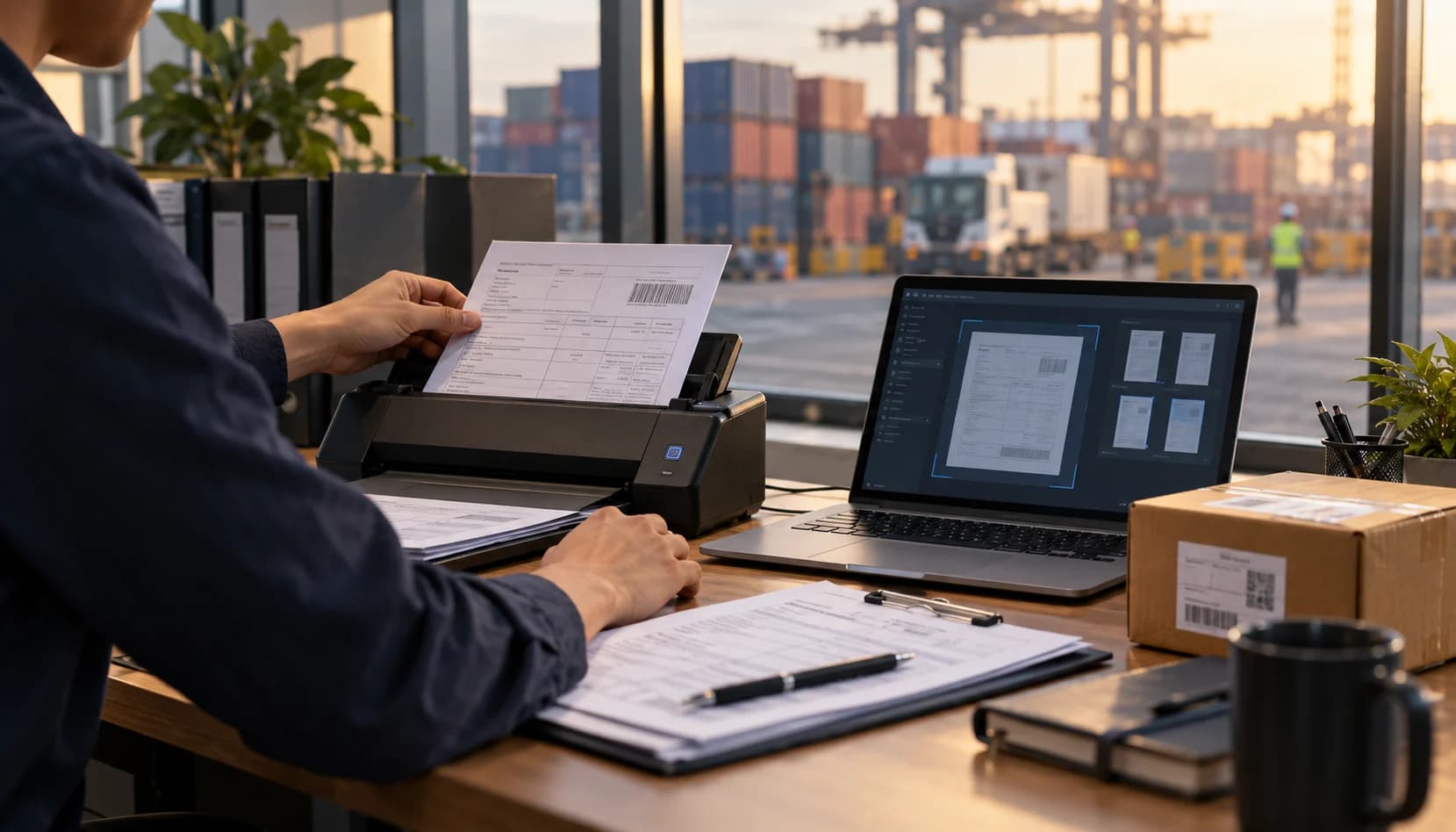
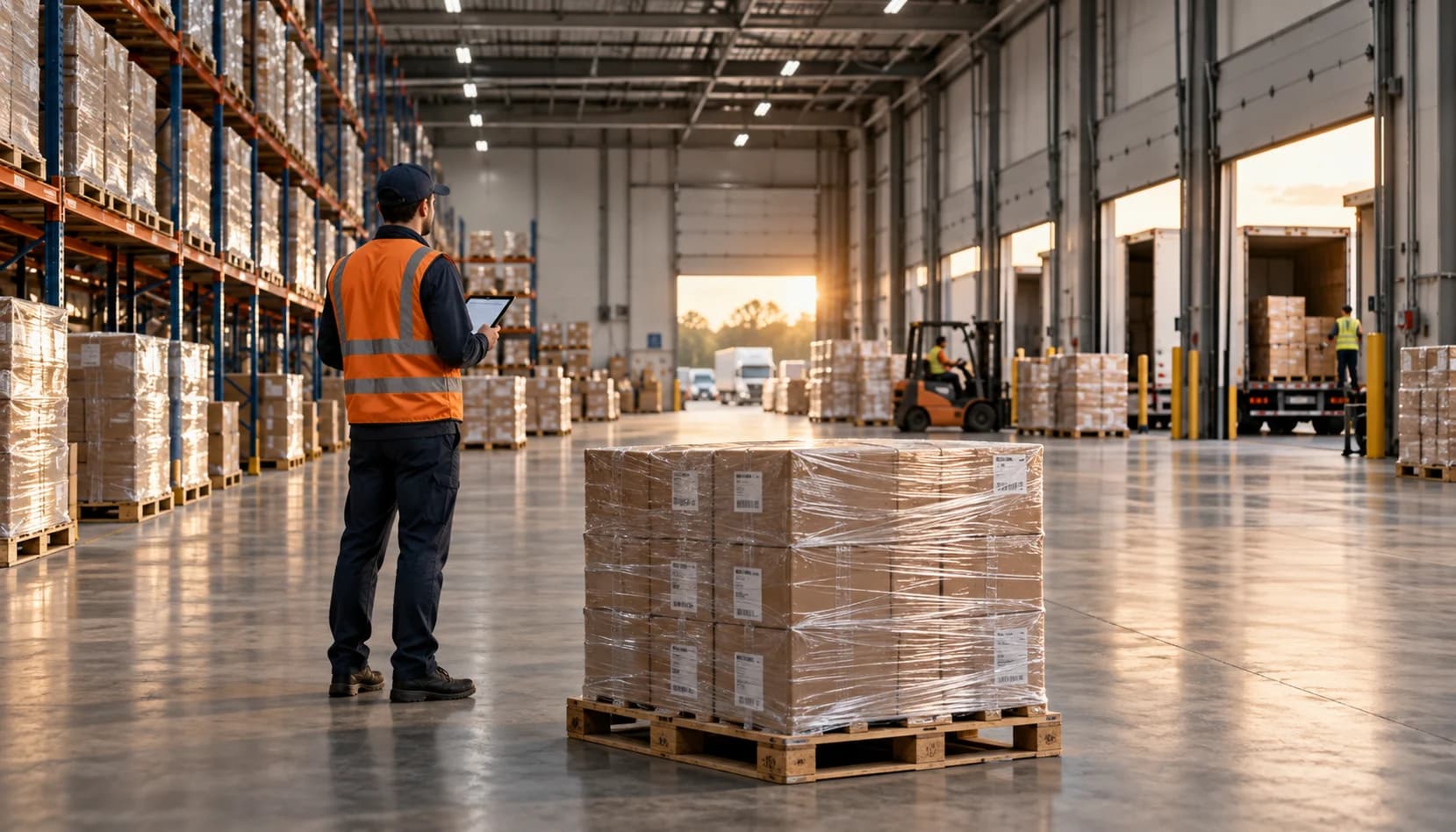
Expanding into a new country rarely happens in one giant leap. For most businesses, it begins with a single shipment that is a trial order, a sample consignment or a small batch sent to test market demand.
But moving from that first international shipment to full market entry requires more than simply increasing shipment volumes. Businesses need a strategy that brings together logistics, customs compliance, warehousing, distribution and local market requirements. When planned well, logistics can become an enabler of expansion rather than just an operational function.
A first shipment provides valuable insights. It can reveal actual transit times, freight costs, documentation requirements, customs challenges and potential bottlenecks.
However, businesses often treat the first shipment as an isolated transaction rather than the first step of a larger market entry strategy.
Before shipping, companies should consider questions such as:
- What will the landed cost look like at higher volumes?
- Which customs and regulatory requirements apply?
- Who will act as the importer of record?
- Where will inventory be stored?
- How will products reach customers after customs clearance?
- Can the existing logistics model support larger volumes?
Why Jumping Straight to Full-Scale Entry Rarely Works
Committing to a new market through a subsidiary, large inventory investment, or long-term distribution agreements before understanding local demand, regulatory requirements, and logistics realities is one of the most common expansion mistakes. Market conditions, customs procedures, consumer behaviour, and competitive dynamics vary significantly across borders, and a strategy calibrated for one region rarely transfers cleanly to another.
A phased approach of starting with smaller, lower-risk shipments and building up structured learning at each stage allows a business to validate assumptions before committing serious capital. It also creates space to correct course early, when the cost of doing so is still manageable.
Stage One: The First Shipment as a Market Test
The first international shipment should be treated as more than a sale as it's a data-gathering exercise. Key questions to answer at this stage include:
- How long does customs clearance actually take, and what documentation gaps surface along the way?
- What duties, taxes, or compliance requirements apply that weren't anticipated?
- How does the product perform with local partners, distributors, or end customers?
- Are there unexpected costs in freight, insurance, or last-mile delivery?
Getting these fundamentals right early, accurate HS code classification, correct valuation, and complete documentation prevents the kind of delays that can derail a first impression with a new market or partner.
Stage Two: Building Repeatable Processes
Once a first shipment succeeds, the temptation is often to scale up quickly. A smarter approach is to run several shipments to refine processes before increasing volume significantly. This stage typically involves:
- Establishing consistent documentation standards and classification practices across repeat shipments
- Identifying the right Incoterms for the relationship, based on who is best positioned to manage customs and transport risk
- Evaluating whether a local distributor, agent, or importer of record model makes sense before considering a legal entity
- Assessing whether trade agreements or preferential duty schemes apply, and whether origin documentation is in order to capture those benefits
This is also the stage where working with an experienced logistics partner pays off, since recurring compliance issues are far cheaper to fix before they compound across dozens of shipments.
Stage Three: Scaling Toward Full Market Presence
With processes proven and volumes growing, a business can begin evaluating deeper market commitment, whether that means a formal distribution agreement, a liaison or branch office, or full local incorporation. This decision should be driven by data gathered in the earlier stages: transaction volumes, margin performance, regulatory complexity, and the operational overhead of managing compliance from a distance.
At this point, many businesses in the EU move from working through a fiscal representative or importer of record toward direct VAT registration, while those expanding into India assess whether a Liaison Office, Branch Office, or full subsidiary better matches long-term ambitions.
Scale Only When the Model Is Ready
The transition from a test shipment to full market entry should be based on evidence rather than assumptions.
Businesses can use the first few shipments to evaluate:
Cost: Are freight, duties, taxes, warehousing and last-mile expenses sustainable?
Compliance: Are documentation and regulatory processes working consistently?
Demand: Is there enough market demand to justify higher inventory and logistics commitments?
Operations: Can suppliers, logistics partners and distribution networks support increased volumes?
Customer experience: Can the business maintain promised delivery timelines as it scales?
Once these elements are validated, companies can move from transactional shipping to a structured global supply chain strategy.
Supporting Every Stage of Market Expansion
Whether a business is shipping its first pallet abroad or scaling toward full market presence, the logistics and compliance foundation needs to hold at every step. With decades of experience across customs clearance and freight forwarding, Babaji Shivram supports businesses through each phase of international growth, from first shipment to established market operations. Connect with the Babaji Shivram team to build an expansion strategy designed to scale smoothly.
Discuss your requirements.
Connect with our team about customs, trade compliance and your next shipment.
Talk to our team ↗